
Cluster Grid Mechanics Explained

Cluster slots use symbol groups instead of fixed paylines, changing how each round is calculated. Wins appear when identical symbols connect vertically or horizontally on the grid. Most games rely on square layouts, often 6×6 or larger, which allows clusters to land anywhere. This design creates varied outcomes because there is no fixed win path. After a successful match, symbols disappear and new ones fall into place. These cascades can repeat several times within one spin if new groups form. Some games apply multipliers that grow during these sequences. Others adjust the grid by opening locked areas or shifting tiles. Providers release multiple certified versions depending on market rules. RTP and volatility may change between regions, so checking game info matters. This open grid structure supports many feature types and keeps rounds dynamic.
Explore different cluster layouts at Bitfortune and try games that match your preferred pacing.
Notable Cluster Slot Titles
Well-known cluster games usually combine clear rules with steady cascade logic. Many players prefer titles where symbol drops feel predictable enough to track patterns. Some games use sticky areas that remain active during cascades. Others rely on moving elements that shift position after each win. Charge meters are common and unlock special modes after filling up. Certain slots remove low-value symbols to make room for stronger ones. Grid expansion mechanics appear in several popular releases. Volatility levels vary widely, even within the same title across markets. Bonus rounds often follow the same cluster logic as the base game. Comparing titles helps users avoid formats that feel too slow or too abrupt. Below is a table outlining typical differences between major cluster formats.
|
Game Name |
Core Mechanic |
Cascade Depth |
Volatility |
Special Element |
|
Reactoonz |
Charge meters |
High |
High |
Feature chains |
|
Jammin’ Jars |
Moving multipliers |
High |
High |
Sticky symbols |
|
Sugar Rush |
Grid upgrades |
Medium–High |
High |
Cell multipliers |
|
Fruit Party |
Random boosts |
Medium |
Medium |
Simple grid |
Browse these titles at Bitfortune and switch between practice mode and real play whenever it suits you.
Cluster Slots for US Players
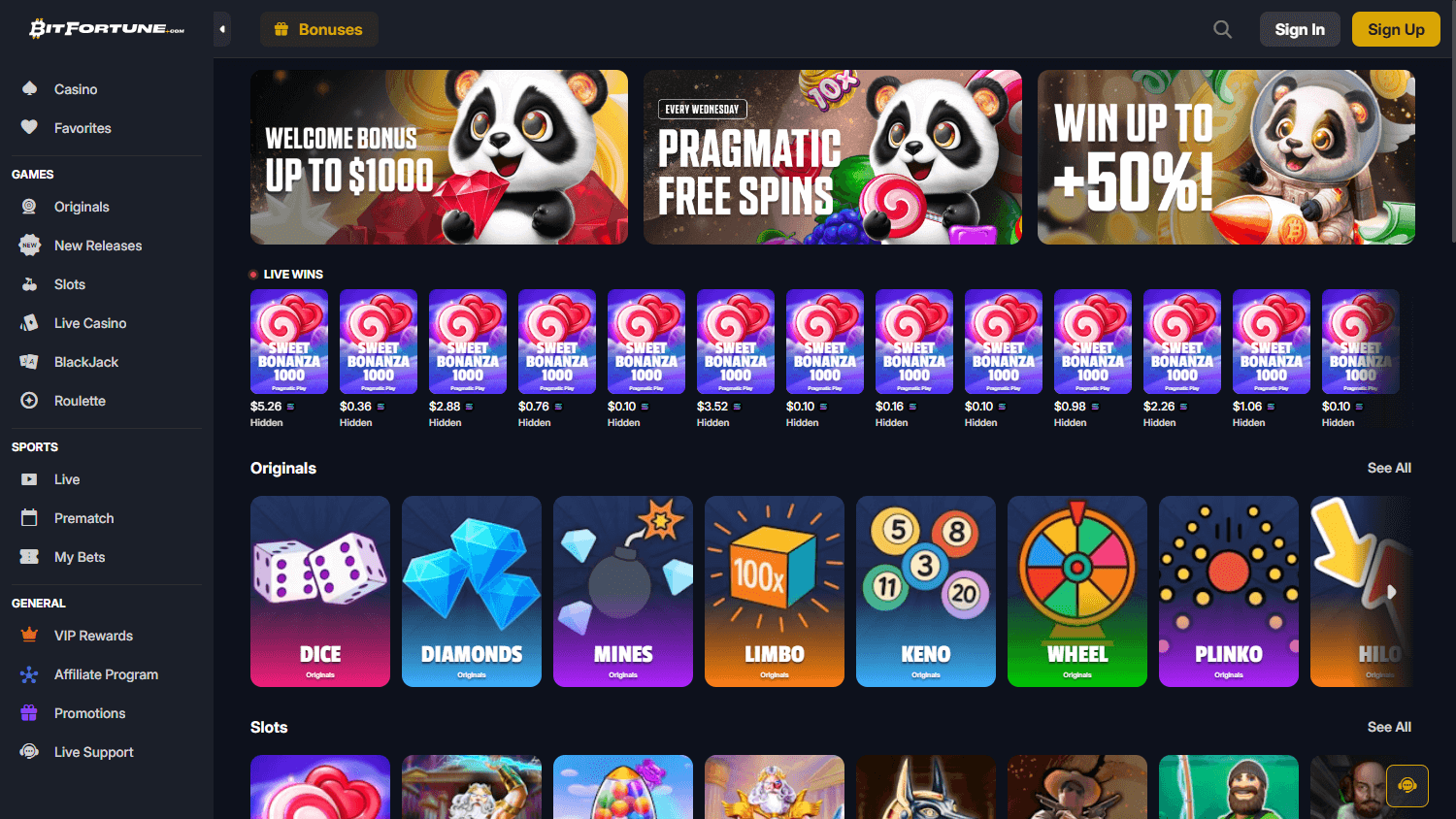
US-focused players should always confirm licensing and game versions before playing. Certified casinos show clear RTP and volatility data tied to approved editions. Many US-ready sites partner with studios like NetEnt, ELK, and Pragmatic Play. Cluster slots suit players who prefer variable round length. Because cascades can extend spins, stable performance matters. Mobile support is important since large grids must remain readable on smaller screens. Payment processing speed also plays a role in session comfort. Some casinos update their cluster libraries frequently to reflect new releases. Clear terms and transparent limits help players stay informed. Support access is useful if technical questions arise. These factors shape how smooth longer sessions feel.
Try US-approved cluster slots at Bitfortune and move freely between games without delays.
Practical Advice for US Users
Testing a cluster slot in demo mode is a smart first step. It helps measure how often clusters appear and how long cascades usually last. Many titles allow wide bet ranges, so checking limits helps with planning. Volatility labels give insight into payout distribution over time. Some games include jackpots tied to specific symbols or triggers. RTP values can differ by state due to regulation. Providers often release updated builds, making version checks worthwhile. Studying symbol values clarifies which clusters matter most. Understanding removal logic helps predict board flow. After this preparation, paid rounds feel more controlled.
Test several cluster games at Bitfortune, then switch to real balance play once a format feels suitable.
Recent Cluster Slot Trends

New cluster slots appear often as studios refine grid behavior. Most modern releases emphasize long cascade chains. Multipliers frequently increase with each successful drop. Respins now trigger more often when special tiles land. Collection systems may unlock extra rows or columns. Some games balance volatility to avoid long inactive stretches. Multiple RTP editions are common across regulated markets. Visual clarity has improved to track fast symbol movement. Developers add unique modifiers to separate titles from competitors. These updates keep the format relevant year after year.
Check the latest cluster releases at Bitfortune and see how new mechanics change grid flow.
Italy Market Considerations
Italian players should confirm ADM certification before choosing a cluster slot. Licensed casinos only offer approved game versions. RTP values may differ from international editions. Some providers release Italian builds later due to compliance steps. Payment options vary between operators. Mobile layout matters since grids must stay readable. Local-language support helps during account checks. Demo access usually reflects the exact certified version. Bonus rules may differ from other regions. A structured lobby helps manage large slot catalogs.
Browse ADM-approved cluster slots at Bitfortune and start playing with verified setups.
Cluster Slot Review Checklist

Evaluating cluster slots requires more than checking visuals. Volatility defines how often large clusters appear. Hit rate shows how frequently wins occur. Multiplier behavior affects cascade value. Symbol removal rules shape grid flow. RTP ranges indicate long-term balance. Version details confirm regulatory alignment. Feature-buy options may change pacing. Demo testing reveals real behavior. Comparing these points avoids mismatched expectations.
Keep this checklist in mind while exploring cluster slots at Bitfortune and move to real rounds once the format feels right.
Key points to review:
- Volatility level
- Cluster frequency
- Multiplier growth
- Removal logic
- RTP edition